


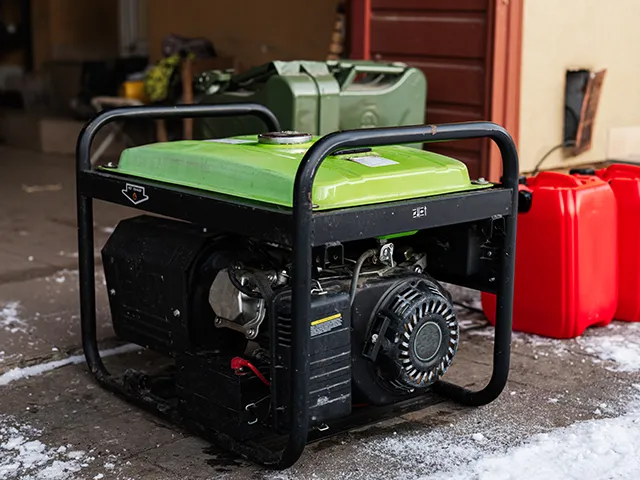
What size generator do i need? It depends on how many appliances, systems, and electrical loads you want to keep running during a power outage. Some homeowners only want to operate essentials such as the refrigerator, lighting, internet equipment, and a few outlets, while others want a generator that can support central air conditioning, water pumps, kitchen appliances, and other heavy-demand systems. Because every home has a different layout and power profile, the right generator size is based on actual energy usage rather than house size alone.
What size generator do i need is also a question that should be answered by looking at both running watts and starting watts. Many household devices need extra power for a few seconds when they first start, especially air conditioners, refrigerators, freezers, and pumps. If generator sizing is too low, the system may struggle when multiple appliances start at the same time. For that reason, it is important to calculate essential loads carefully and leave a reasonable margin for safe and stable performance.
A small home that only needs basic backup for lighting, refrigerator, modem, and a few kitchen devices may require a much smaller generator than a large house with electric heating, central cooling, multiple bathrooms, and high-powered appliances. This is why generator sizing should always be based on load planning rather than rough guesswork.
In most homes, the first step is to separate essential loads from comfort loads. Essential loads usually include refrigerators, freezers, lighting, phone chargers, internet equipment, security systems, and sometimes a sump pump or water pump. Comfort loads may include air conditioning, ovens, electric water heaters, washers, dryers, and pool systems. When these high-demand systems are included, required generator capacity increases quickly.
A practical sizing process usually includes the following steps:
For homeowners who only want basic emergency backup, a smaller portable or standby generator may be enough. For whole-house coverage, a larger standby generator is often the better option because it can support more circuits with less compromise. The most reliable approach is to have a professional load calculation completed before choosing a final size.
A simple what size generator do i need for my house chart can help homeowners compare common backup needs and understand how generator capacity changes based on the number of appliances being used. While exact requirements vary by home, insulation level, HVAC type, and appliance efficiency, a chart gives a practical starting point for planning.
Below is a general example:
|
Home Backup Need |
Typical Items Powered |
Estimated Generator Size |
|
Basic essentials |
Refrigerator, lights, Wi-Fi, TV, phone chargers |
3 kW – 5 kW |
|
Small home backup |
Essentials plus microwave, small kitchen devices, more outlets |
5 kW – 7.5 kW |
|
Mid-level backup |
Essentials plus sump pump, furnace fan, larger appliance use |
7.5 kW – 12 kW |
|
Large home partial backup |
Multiple rooms, kitchen circuits, water pump, some cooling |
12 kW – 18 kW |
|
Whole-house backup |
Central AC, major appliances, lighting, pumps, full coverage |
18 kW – 30 kW+ |
This type of chart should be treated as a guide rather than a final specification. For example, homes with electric water heaters, electric ranges, or multiple HVAC systems may need significantly more power than average. Starting loads also matter because equipment with motors can create short-term demand spikes. Reviewing your electrical panel and major appliance ratings will make the estimate much more accurate and help you choose a generator that performs safely under real outage conditions.




 Linkedin
 Facebook
 Instagram
 Twitter