


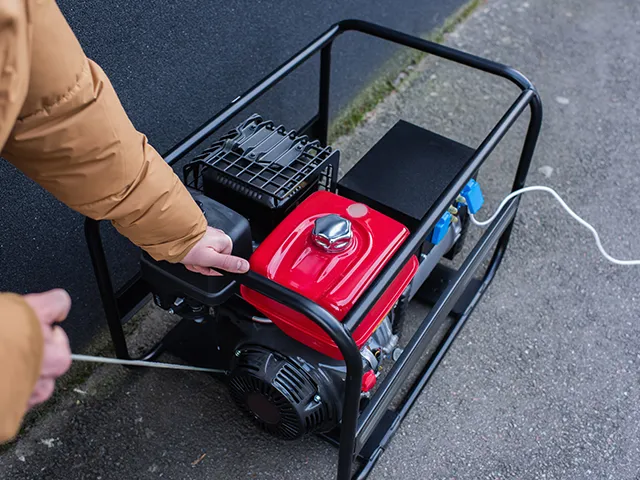
How to hook up generator to house? A proper setup starts with understanding how electricity flows through a home and how a generator can safely take over when the grid is unavailable. When the connection is planned correctly, essential appliances can continue working without putting the system at risk.
How to hook up generator to house? A structured setup not only protects electrical components but also makes the generator easier to use during an outage. With the right approach, the process becomes more predictable and far less stressful when power is suddenly lost. In this way, a well-prepared system turns an unexpected outage into a manageable and controlled situation.
Connecting a generator to your house begins with selecting a method that allows power to be transferred safely. Instead of feeding electricity directly into the home, the system should guide power through a controlled connection point. This is why transfer switches and interlock kits are commonly used, as they help direct electricity only where it is needed.
Before installation, it is important to decide which parts of the house will receive backup power. Trying to run everything at once can quickly exceed the generator’s capacity. A more practical approach is to focus on essential systems that support daily living.
Commonly prioritized appliances include:
The generator itself should always be placed outside in an open area. It needs steady airflow to operate properly, and it should be positioned away from windows and entrances. A well-thought-out placement not only improves performance but also helps reduce potential safety concerns during operation.
The process starts by creating a proper connection between the generator and the home’s electrical panel. This connection is usually handled through a transfer switch or an interlock system, which ensures that generator power and utility power remain separate at all times.
After that, the generator is connected to an inlet box using a compatible power cable. Once the unit is running outdoors, electricity can be directed to selected circuits inside the house. This allows essential systems to continue working without placing unnecessary pressure on the generator.
It is also important to use the generator with a clear plan. Instead of trying to power every device, focusing on priority appliances helps maintain stable operation. This approach not only protects the generator from overload but also ensures that available power is used more efficiently.
Hooking a generator up to your house works best when every part of the setup is considered together. The generator, connection equipment, and circuit selection should all support each other. When these elements are aligned, the system becomes easier to operate and more reliable during real-life outages.
Before finalizing the installation, a few practical points should be reviewed:
A well-organized setup also makes a noticeable difference in day-to-day use. During a power cut, a clear and simple system helps avoid confusion and saves time. For that reason, many homeowners prefer a setup that is properly installed, clearly structured, and designed around actual usage needs rather than maximum capacity.




 Linkedin
 Facebook
 Instagram
 Twitter