


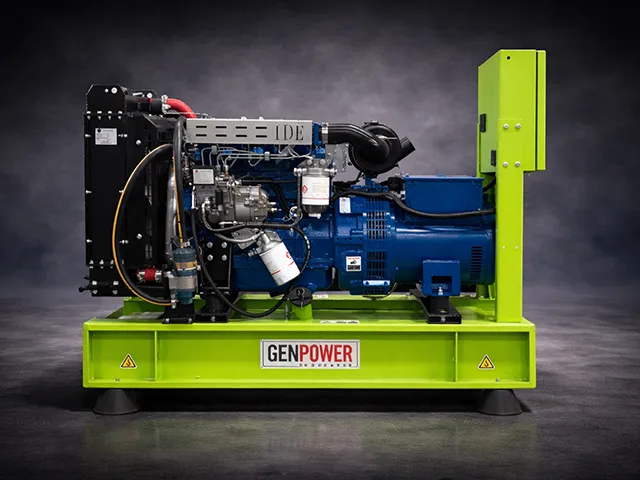
How much is a generator is a question frequently asked by homeowners and property managers who want to prepare for possible power outages or ensure a reliable backup energy source. Generator prices can vary widely depending on factors such as power capacity, fuel type, automation features, and installation requirements. Small portable generators designed for limited use are generally more affordable, while large standby systems capable of powering an entire property usually require a higher investment.
How much is a generator also depends on the intended use of the equipment and the electrical load it needs to support. Generators designed for occasional emergency use typically cost less than systems that are installed permanently and operate automatically during power interruptions. In addition, features such as noise insulation, fuel efficiency, remote monitoring, and automatic transfer switches can influence the final cost. Because every home has different energy requirements, the most suitable generator option often depends on a detailed assessment of electrical consumption and usage patterns.
A house of this size typically requires a generator with a capacity between 7 kW and 12 kW if the goal is to power essential appliances such as refrigerators, lighting systems, heating equipment, and communication devices.
The cost of generators in this category may vary depending on the power rating, build quality, and installation complexity. In general, generators suitable for a 1,500 square foot home can fall within a moderate price range compared with larger whole-house systems. However, installation costs, fuel systems, and electrical integration can also affect the overall budget.
Some of the main factors that influence generator cost for a home of this size include:
Because electrical needs vary from household to household, calculating the total wattage of essential appliances is an important step before choosing the appropriate generator capacity.
The question how much is a whole house generator usually relates to permanently installed standby systems designed to supply electricity to an entire property during a power outage. Unlike portable generators that power only a few appliances, whole house generators are integrated directly into the home's electrical system and can automatically provide electricity to multiple circuits when the main grid fails.
These systems are typically installed outdoors and connected to the building’s electrical panel through an automatic transfer switch. When a power interruption occurs, the generator detects the outage and starts operating within seconds. This type of system is often preferred in homes where uninterrupted electricity is important for heating, cooling, security systems, refrigeration, and other critical equipment.
The total cost of a whole house generator system can vary depending on several structural and technical factors. The generator unit itself represents only one part of the overall investment, while installation and infrastructure requirements also contribute to the final budget.
Key elements that influence the total cost include:
Because these systems are intended to operate as a long-term backup energy solution, many homeowners consider them a reliability investment rather than only a temporary power source. Proper system sizing and professional installation help ensure that the generator can support household electrical demand safely during extended outages.




 Linkedin
 Facebook
 Instagram
 Twitter