


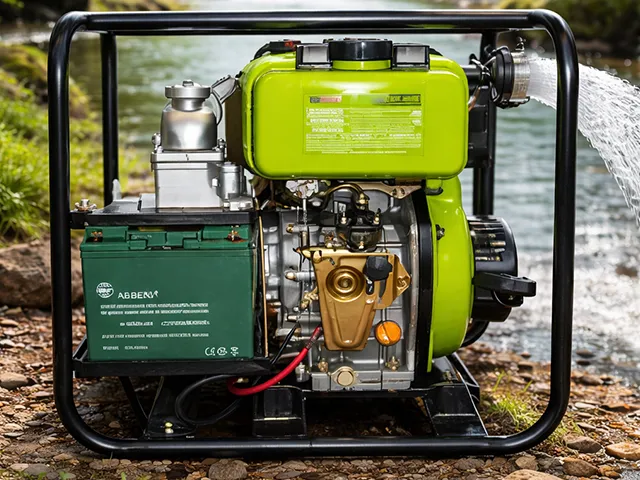
High pressure water pump systems are designed to move water at elevated pressure levels for applications that require strong and consistent water flow. These pumps are commonly used in residential, agricultural, industrial, and commercial environments where standard pumps may not provide sufficient pressure. By increasing the force at which water is delivered, they support tasks such as irrigation, cleaning systems, water supply lines, and pressure boosting in buildings.
High pressure water pump models can vary in terms of motor power, flow rate, pressure capacity, and installation type. Some are designed for continuous heavy-duty operation, while others are more suitable for portable or intermittent use. The choice of pump generally depends on the intended use, the required pressure level, and the water source. Properly selected systems can help maintain stable water pressure, improve efficiency in water distribution, and ensure reliable performance in demanding conditions.
Low-voltage water pump systems are commonly used when a reliable water supply is required in environments where standard electrical infrastructure is limited. These pumps operate with 12-volt power sources such as batteries, solar systems, or vehicle electrical circuits, allowing them to function efficiently in mobile or off-grid setups. Their compact structure and relatively low energy consumption make them suitable for installations where portability and energy efficiency are important considerations.
Because of their small size and practical design, these pumps are widely used in recreational vehicles, marine applications, agricultural spraying systems, and small water distribution setups. They help move water from tanks or reservoirs while maintaining a steady level of pressure. This capability allows them to support cleaning tasks, irrigation systems, and small-scale water transfer operations without requiring large power supplies.
When selecting a pump for this type of system, several technical factors are usually evaluated to ensure efficient operation:
Choosing equipment with suitable specifications can improve overall efficiency and extend the working life of the system. Evaluating the intended application, water source, and expected usage conditions helps determine the most appropriate configuration for reliable performance.
Electric motor driven water pump systems are widely used in applications that require stable and consistent water pressure. By converting electrical energy into mechanical motion, these systems generate the force needed to move water through pipes, hoses, or distribution networks. Their reliable performance and continuous operating capability make them a common choice for residential, agricultural, and industrial installations.
These systems are often integrated into water supply infrastructures where maintaining pressure stability is important. Buildings, irrigation networks, cleaning equipment, and industrial facilities frequently rely on electrically powered pumps to ensure water reaches different points of use efficiently. Modern designs may include automated control mechanisms that help regulate pressure and improve operational safety.
Typical applications where electrically powered pumping systems are used include the following:
Selecting the appropriate equipment requires consideration of several factors such as motor power, pressure capability, system capacity, and installation conditions. Evaluating these technical elements helps ensure the pumping system operates efficiently while supporting the overall reliability of the water supply infrastructure.




 Linkedin
 Facebook
 Instagram
 Twitter