


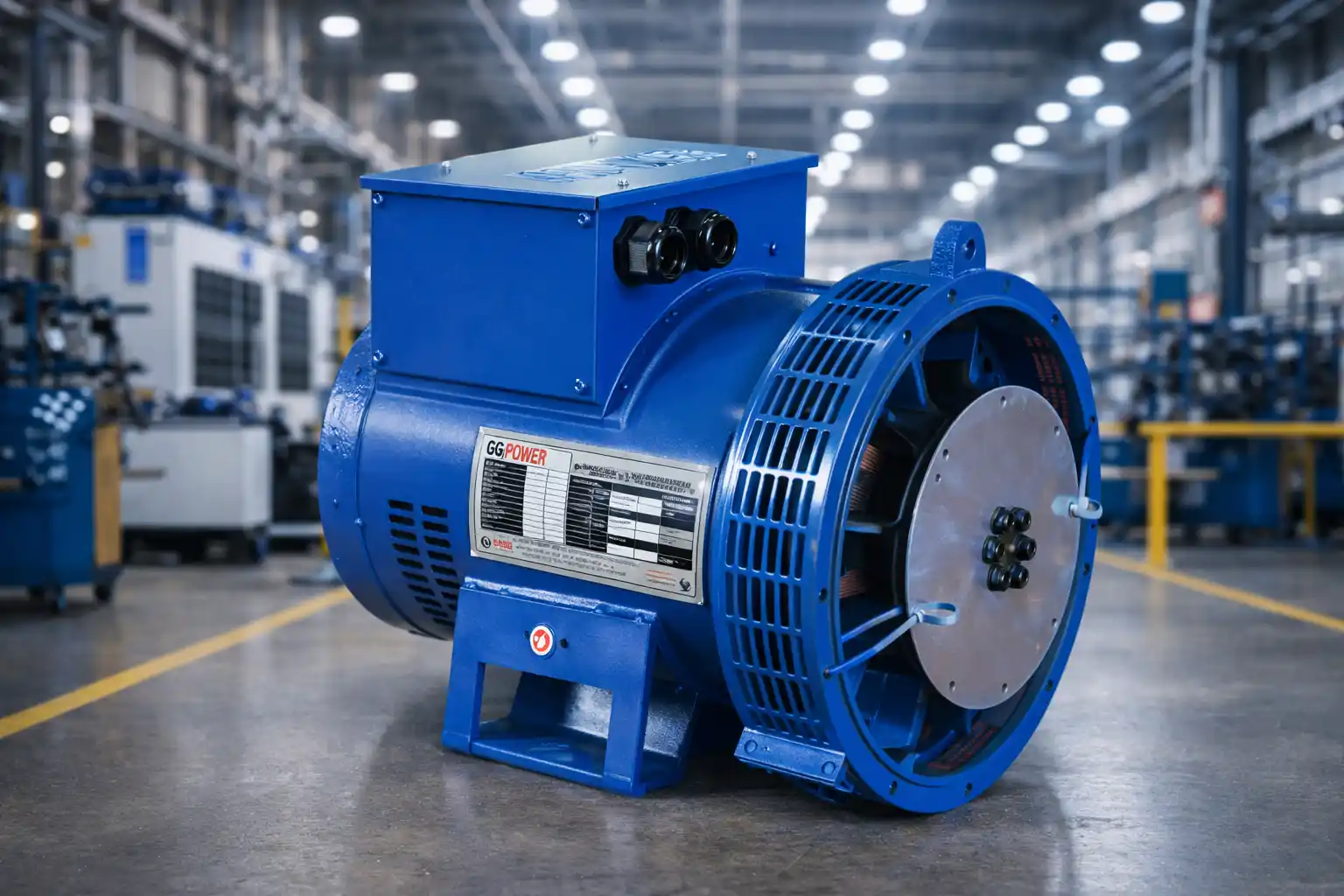
Alternator cost is influenced by multiple technical and operational factors, making it essential for businesses and project planners to understand what determines pricing. As a critical component in power generation systems, alternators play a vital role in converting mechanical energy into electrical energy, and their cost reflects performance, durability, and engineering complexity. Understanding these factors helps organizations make informed investment decisions.
Alternator cost can vary significantly depending on power capacity, application type, build quality, and technical specifications. From small-scale applications to large industrial power systems, alternator pricing is directly related to efficiency, reliability, and long-term operational performance. Choosing the right alternator involves balancing initial investment with lifecycle value.
Several technical elements directly impact the price of an alternator, and understanding these variables is essential when evaluating options.
Power Capacity
Higher kVA/kW ratings typically result in higher costs due to increased material and engineering requirements.
Build Quality and Materials
Premium-grade components and advanced insulation systems improve durability but increase manufacturing costs.
Efficiency and Performance
High-efficiency alternators with advanced cooling and voltage regulation systems generally have higher initial prices but lower operating costs.
Application Type
Industrial and continuous-duty alternators are more expensive than units designed for standby applications.
Brand and Engineering Standards
Manufacturers with advanced engineering capabilities and global certifications may offer higher-priced but more reliable solutions.
Alternator pricing varies widely depending on capacity and application. Small alternators for light-duty applications typically cost less, while large industrial alternators designed for continuous operation require higher investment.
While pricing differs across projects, evaluating total cost of ownership — including maintenance, efficiency, and lifespan — is essential for accurate budgeting.
Selecting an alternator solely based on price may lead to higher long-term costs. Instead, businesses should focus on performance, reliability, and operational requirements.
Investing in a high-quality alternator provides better reliability, longer service life, and improved energy efficiency. Lower-cost alternatives may reduce upfront investment but can lead to increased maintenance and downtime costs.
A balanced approach ensures optimal performance while maintaining cost efficiency over the system lifecycle.
Genpower designs and manufactures high-performance alternator systems built to meet demanding operational requirements. With advanced engineering, robust components, and strict quality standards, Genpower alternators deliver reliable performance across a wide range of power generation applications.
By focusing on efficiency, durability, and lifecycle performance, Genpower helps organizations optimize energy investments while ensuring dependable power output.
Understanding alternator costs requires a detailed evaluation of technical requirements and project conditions. With extensive industry experience and engineering expertise, Genpower provides tailored solutions designed to meet both performance and budget expectations.
To receive a customized quote and expert consultation, contact the Genpower team today and discover alternator solutions engineered for reliability, efficiency, and long-term value.




 Linkedin
 Facebook
 Instagram
 Twitter