


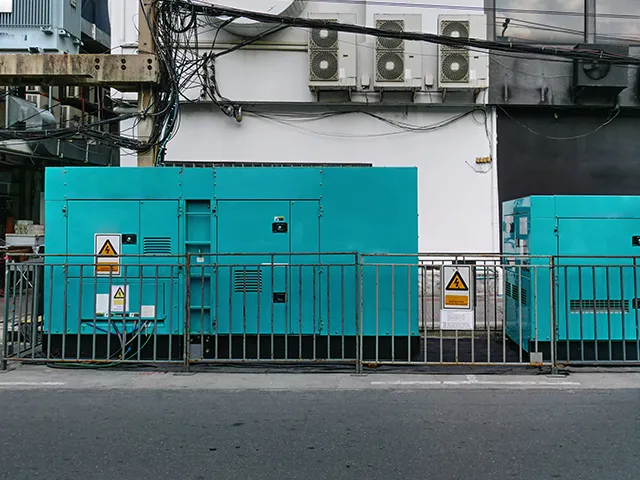
Backup generator systems are used to provide temporary electrical power when the main grid becomes unavailable. They help reduce disruption during outages by supporting essential functions in residential settings, especially when lighting, refrigeration, communication devices, or heating equipment need to remain operational.
Backup generator solutions can vary in size, fuel type, output level, and installation method. Some units are designed for portable use, while others are installed as permanent standby systems connected to a building’s electrical setup. The right choice depends on how much power is needed, how long outages typically last, and which appliances or systems must continue running.
Backup generator systems designed for residential use focus on maintaining essential functionality rather than powering an entire property. These systems are typically planned around priority needs such as refrigeration, basic lighting, communication devices, and heating or cooling controls. By identifying which appliances must remain active during an outage, it becomes easier to determine the appropriate capacity and configuration.
Backup generator use in a home environment also requires careful consideration of installation and safety conditions. Units should be positioned in open, well-ventilated areas to prevent exhaust accumulation. In addition, factors such as noise level, fuel storage, and ease of access for maintenance play a role in long-term usability. A well-planned setup supports both efficiency and safe operation.
When evaluating a residential system, the following points are commonly considered:
A properly selected home system provides reliable support during outages without unnecessary complexity. Matching the generator to real usage needs improves both efficiency and overall reliability.
Backup generator evaluation for “best” performance depends on how well a system aligns with real household demands rather than a single specification. The most suitable option is one that delivers consistent output, manages varying loads effectively, and remains dependable during extended outages.
Backup generator performance should also be assessed in terms of electrical stability and operational efficiency. Many household devices, especially those with electronic components, require stable power to function correctly. Systems that provide consistent output help reduce the risk of interruptions or potential equipment issues.
Key factors used to determine the most suitable system include:
Selecting the most appropriate system depends on balancing these factors with actual household requirements. A well-matched solution ensures dependable performance while avoiding unnecessary capacity or inefficiency.




 Linkedin
 Facebook
 Instagram
 Twitter